IGSU launched the national campaign "You can do what others need"

Today, November 14, 2025, the General Inspectorate for Emergency Situations launched the national campaign to prevent carbon monoxide poisoning and fires in the cold season, with the tagline "You can do what they need".
The prevention campaign is addressed to the entire population, with an emphasis on the elderly, socially-vulnerable families, parents with minor children and rural citizens who use stoves or installations based on solid fuel or natural gas to heat their homes during the cold period of the year.
The aim of the activity is to reduce the risk of poisoning and fires caused by improper operation of heating systems and negligence in the use of fire sources.
The launch event took place during a press briefing organized at the culture house in Grătiesti commune, Chisinau municipality. The head of the General Inspectorate for Emergency Situations, colonel of the internal service Aurel Baciu, the head of the National Inspectorate for Technical Supervision, Mr. Ion Moraru and the mayor of Grătiesti commune, Mrs. Olga Caraman, as well as social workers participated in the briefing.
Officials presented the risk profile of vulnerable people in the cold season and emphasized the need to check heaters, stoves and installations connected to natural gas.
According to the IGSU analysis, the people most at risk are those from rural areas, males, aged between 61 and 80, who live alone and use faulty stoves. At the same time, another risk group is represented by single women over 65 years old, who live in private houses where the stove is the main source of heating.
Representatives of institutions and local public authorities appealed to citizens to show responsibility and empathy towards the elderly, lonely and those with special needs, offering them support in using heating means.
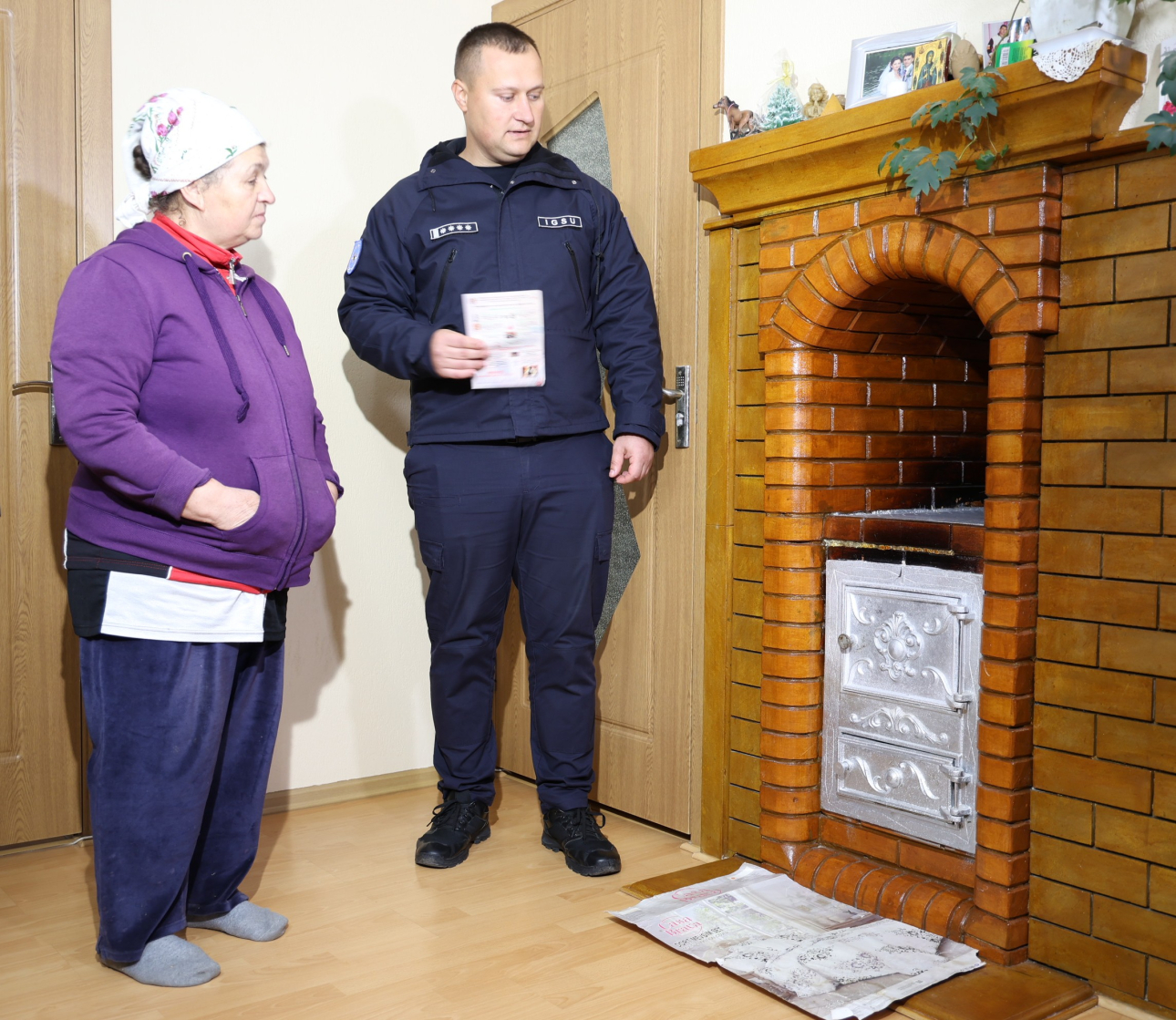
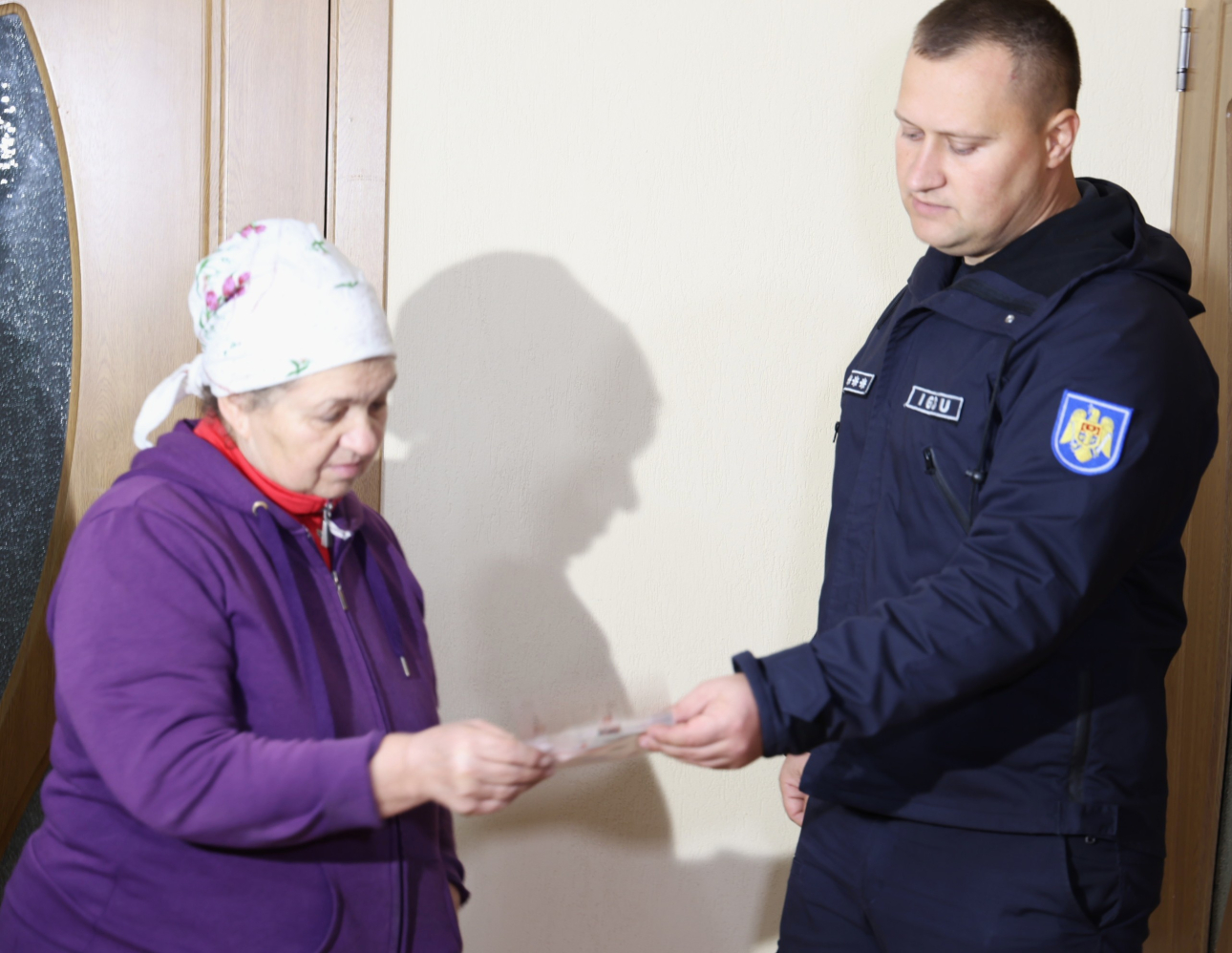
After the briefing, IGSU specialists visited people's households and homes, offering practical safety recommendations. Elderly people and those with special needs were explained the importance of checking stoves, cleaning chimneys, ventilating rooms and following fire protection rules.
People are urged to avoid keeping combustible materials near heat sources and not to use flammable liquids when lighting fires.
At the same time, in order to avoid poisoning due to gas leaks, citizens are asked to use only authorized specialists for the installation and maintenance of installations that operate on the basis of natural gas.
Elderly, lonely or people with special needs are urged to ask for help from family members, neighbors or local authorities when they need support to check and maintain their heating means to protect their life and home.
if children live with the elderly or those with special needs, they may be exposed to risks caused by the helplessness or limitations of adults. People are asked to give these families maximum assistance and attention to prevent risky situations in their homes.
The campaign encourages the involvement of young people and neighbors in supporting the elderly, the lonely or those with special needs, to offer them help checking stoves, lighting fires or maintaining heating installations.
Through the "You can do what others need" campaign, IGSU aims to increase the level of awareness and involvement of citizens in ensuring their own safety and those around them, contributing to the prevention and reduction of tragic incidents and fires caused by negligence or non-compliance with fire prevention rules in the cold season of the year.
Every gesture of consideration counts, and timely assistance to those in need can save lives by contributing to a united and safe community.
According to the statistical data of the IGSU, during the year 2024, 1392 fires were recorded, resulting in 77 people dying (including 3 minors), and in 2025, 1574 cases of fires were reported, resulting in the death of 88 people.
At the same time, following the analysis carried out by IGSU specialists due to non-compliance with the rules for operating heating sources, in 2024 - 69 people (including 28 children) needed care after being poisoned with carbon monoxide, and in 2025 - 60 people (including 34 minors).