
Recommendations for the safe use of LPG cylinders
You never know when a defective or improperly handled LPG cylinder could cause a massive leak and explosion; the invisible danger lurks in the kitchen, at barbecues or in the garage, turning an ordinary meal into tragedy.
Prepare your children before the gas builds up: teach them not to play with the cylinder valve, to recognise the specific smell (like rotten eggs), never to light anything if they smell gas and to immediately go outside calling for help. Check the expiry date together and store cylinders only outdoors – simple attention prevents disasters! Gas Cylinder Warning

Recommendations for the use of natural gas installations
You never know when a cracked pipe or a stove left on could fill your home with natural gas; the invisible, odourless leak can explode or suffocate the family while sleeping, even in the middle of the night.
Prepare your children before the smell appears: install gas detectors, teach them not to turn on lights or strike matches if they suspect something, to open windows and immediately leave while calling 112. Regular inspections and attention to valves save lives every day! Tools House

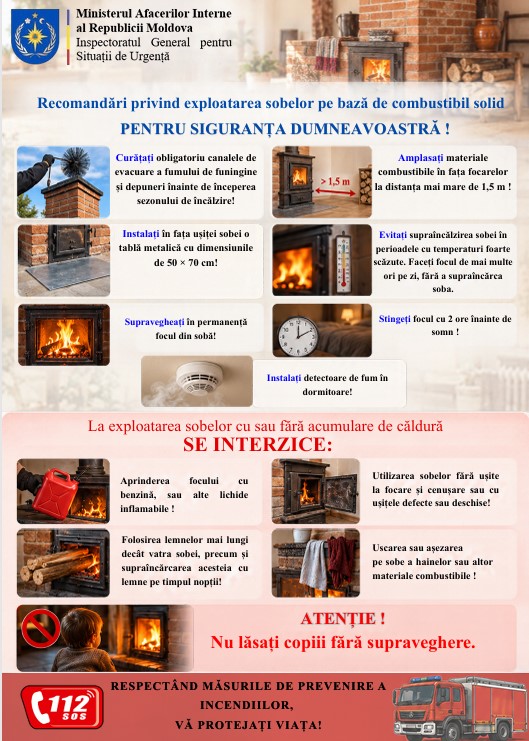
Recommendations for operating solid fuel stoves
You never know when an overheated stove or a clogged chimney could start a fire or cause carbon monoxide poisoning; the invisible killer smoke rises into the bedroom at night while flames can engulf the house in minutes.
Prepare your children before the embers get out of control: teach them not to add wood alone, never to dry clothes on the stove, to ventilate the room well and to install CO detectors. Clean the chimney annually and never leave the fire unattended – safe warmth begins with strict rules! Fire Wood
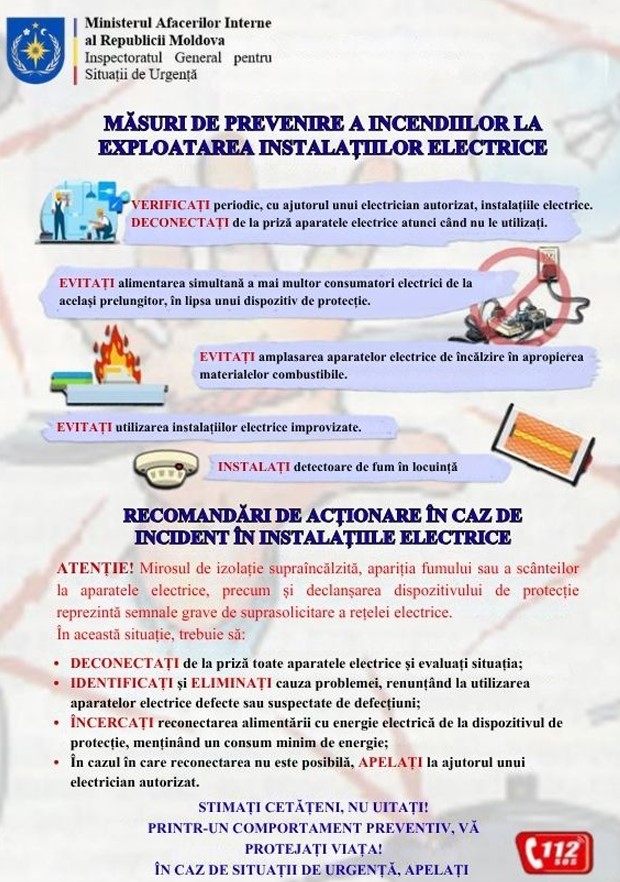
Recommendations for the Operation of Electrical Installations
A loose electrical outlet, a damaged cable, or an overloaded extension cord can become a source of fire without any obvious warning signs at first. Overheating of the electrical installation, sparks, or faulty electrical contacts can ignite nearby materials and put the entire home at risk. To reduce the risk, use only electrical appliances and cables that are in good condition, avoid connecting several high-power appliances to the same outlet at the same time, and do not attempt improvised repairs to the electrical installation. Unplug appliances when they are not in use, supervise children around electrical outlets, and contact a qualified electrician at the first sign of a fault.
Stoves
Learn how to correctly use wood or gas stoves to avoid fires and carbon monoxide poisoning.
